

Requirement
Leaded soldering
Pick up articles









Table of contents
What is leaded solder alloy?
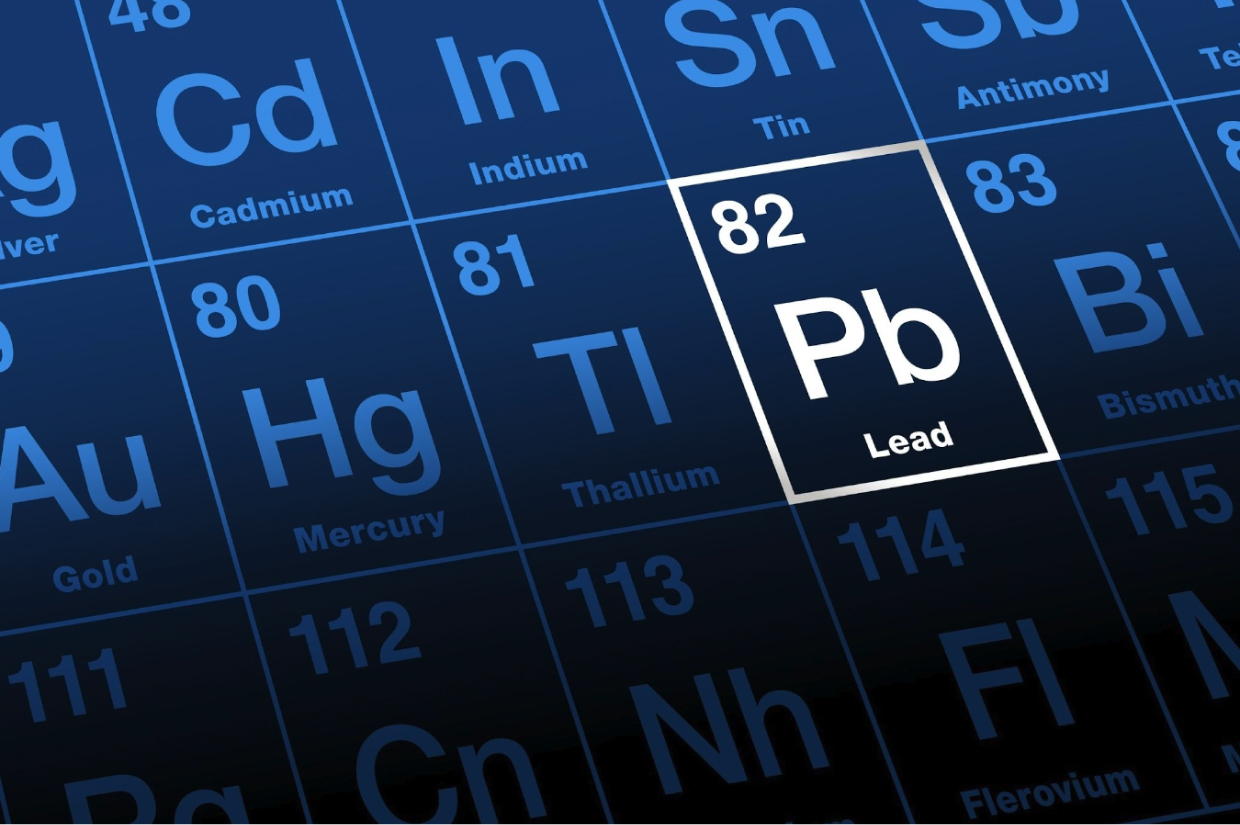
Leaded solder alloy is a solder alloy that contains lead in its composition. In general, leaded solder refers to the eutectic solder with Sn63/Pb37 (where the liquidus and solidus temperatures are the same). The melting point of this leaded solder alloy is 183°C, which is lower than that of lead-free solder alloys. Traditionally, leaded solder was widely used for soldering because its low melting point made it easier to reach the required soldering temperature, and it offered excellent wettability, high reliability, and a shiny, appealing surface appearance.
However, the use of lead-free solder alloys is now regulated due to rising global concerns over biological and environmental hazards that began around the 2000s. As a result, sales of leaded solder alloys are significantly lower than those of lead-free solder alloys.
Market’s demand on leaded solder alloys
Due to its excellent characteristics, such as high workability and reliability, leaded solder is still widely used in specific fields today. Major applications include countries and regions without lead regulations, as well as sectors recognized as exempt from restrictions, such as aerospace, certain medical devices, monitors, and control systems.
Soldering with leaded solder alloy
Although soldering with leaded solder generally ensures good joint quality, the risk of various soldering defects still exists. If defects such as bridging, solder beading, voids, or tombstoning occur frequently and do not improve, it is necessary to consider not only adjusting and optimizing the profile but also changing to a material with higher process compatibility.
Related products

Keywords / Related articles
Contact Us Inquiry
For any requests for estimates, product information, technical questions, etc. please reach out to us.